
How Recording Safety Observations in the Workplace Prevents Accidents
December 3, 2024
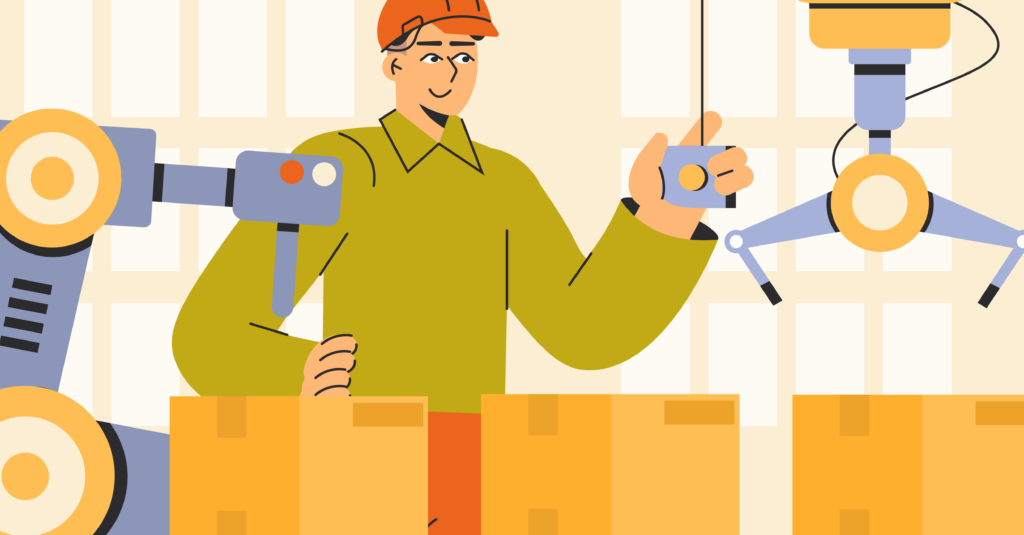
Picture this: a manufacturing worker’s hand is crushed while operating a machine. Surgery. Weeks of physical therapy. Months out of work. For them, it’s not just pain. It’s medical bills, the fear of never regaining full use of their hand, and the stress of not being able to provide. Their family feels every bit of it.
But there’s more. The company files an incident report, triggering a regulatory investigation and potential fines for failing to prevent a known hazard. Coworkers begin to wonder if they are safe and morale, productivity, and trust erode.
The injury did not come out of nowhere. For months, there were signs. Small cuts on workers using that machine, jamming issues, complaints about outdated safety features. None was documented or addressed. Any one of those reports could have prevented the accident.
This scenario is all too common in workplaces where safety observations are overlooked or undervalued.
When a company recognizes the warning signs and encourages a culture where safety observations are routinely reported and acted upon, it can break the cycle of reactive safety management and create a safer, more supportive work environment. Read more to learn how.
The power of safety observations
Safety observations involve spotting and reporting hazards, unsafe behaviors, and near-misses before they become incidents. When logged consistently, they reveal patterns, surface emerging risks, and show where protocols are breaking down, giving safety managers data to act before someone gets hurt.
One of the biggest advantages of safety observations is that they’re leading indicators. Most companies measure safety with lagging indicators — injury rates, lost-time incidents (LTIs), workers’ comp claims. Those tell you what already went wrong. They don’t tell you what’s about to happen.
Leading indicators are predictive. They flag hazards while you can still act. Regarding that plant accident, if several workers had reported the same machine, that pattern would have signaled maintenance or training long before anyone got hurt.
Consider the earlier manufacturing plant accident: if multiple employees had reported concerns about the same machine, those safety observations would have signaled a need for immediate maintenance or additional training.
Employees are your early warning system
A safety observation program depends on employee engagement. Workers are the first to spot hazards or unsafe habits—their input is crucial. But they will only speak up if it is safe to do so.
That starts with trust. People need to know their observations will be taken seriously and acted on without fear of retaliation.
Build trust through transparency, recognition, and involving employees in safety decisions. Reinforce it with communication and training so they see how their input shapes a safer floor. Treat workers as stakeholders, not box-checkers, and you unlock insight unavailable otherwise.
How mobile tech changes the game
Workers expect to use their phones on the job. Paper forms and desktop software feel slow and outdated by comparison.
Employees can report a hazard, near-miss, or unsafe behavior the moment they see it, with photos, video, and location attached. Safety managers get accurate information in real time and can act before the situation escalates.
Want better safety engagement with your workforce? Use smartphones (and watch this webinar).
Why more companies choose Intelex’s safety observation software

1. Get every worker reporting wherever they are
Most safety tools were built desktop-first, with mobile added later. That assumes connectivity and time to fill out a long form. Two things workers on a plant floor, remote site, or rig rarely have. The result is low participation and a reporting pool limited to supervisors and safety staff.
Intelex is mobile-first. Workers log observations, photos, and notes from a phone or tablet using a tile-based interface designed for one-handed use in the field. Capture works offline, so a dropped signal in a basement, warehouse, or remote site does not stop the report. It syncs when the device reconnects.
That puts reporting in everyone’s hands, not just the safety team. Proactive, bottom-up observations increase, giving leaders more leading-indicator data to act before incidents happen
2. Capture everything from a quick hazard to a formal audit
Safety data comes in many forms. Sometimes a worker snaps a photo of a spill; sometimes a supervisor runs a structured behavior-based safety audit. When a system supports only one, teams either skip quick observations because the form is too heavy or lose the rigor of a formal assessment because the tool only handles free text.
Most platforms pick a lane. Checklist-only tools capture structure but discourage fast, in-the-moment reports. Free-form tools make quick capture easy but produce data hard to analyze. Neither gives leaders a complete view.
Intelex supports both in the same workflow. A worker can snap a photo and add a few details or complete a structured checklist for a formal assessment. Observations can be tagged safe, unsafe, or at-risk and enriched with severity, the task performed, and feedback from observer and worker.
That flexibility covers everything from ad-hoc hazard spotting to formal BBS audits in one place. So leaders see both the positive practices worth reinforcing and the unsafe conditions worth correcting, instead of a picture split across tools.
3. Turn every observation into action
When follow-up depends on someone manually reading each submission, flagging serious ones, and chasing the right person, high-severity issues sit unassigned and the backlog grows. A report captured but never resolved creates a false sense of security.
The usual approach treats capture and action as separate steps, often across different tools. Someone must notice an unsafe observation, decide who owns it, and remember to follow up. That manual handoff is where accountability breaks down.
Intelex automates workflows based on submissions. An observation marked unsafe or logged at high severity can automatically notify supervisors and assign corrective actions to named individuals with due dates without manual triage. Each action is tracked to completion.
The result is a closed loop with built-in accountability. Issues get resolved on time and nothing gets lost between capture and resolution.
See how George’s uses Intelex to improve leading indicator reporting
Overcoming barriers to implementation
The benefits are clear, but rolling out or expanding a program can hit resistance. The usual culprits:
- Lack of awareness: Workers don’t see why reporting observations matters.
- Fear of retaliation: They worry a report leads to blame or discipline..
- Clunky reporting: If it’s slow or complicated, people won’t bother.
None of these are hard to fix. Make the case that safety is a shared responsibility, put reporting on a mobile app so it takes seconds, and back it with a culture where speaking up is safe and expected.
Use observations to strengthen your safety culture
That plant accident is the whole argument: the warning signs were there, and no one captured them. Leading indicators, engaged employees and mobile reporting turn those missed signals into action, catching risks before they become incidents.
This is a simple argument that your leadership team will understand as long as you can translate it into terms they speak. See how to show the financial impact of your EHS program.
Safety is not just about compliance; it’s about creating an environment where everyone feels responsible for their well-being and that of their colleagues.
Ready to see how safety observation management can transform your workplace? Register for our product demo today and take the first step toward a safer, more proactive future.