

The Role of the SMS Analyst: How Data, Digital Transformation, and a New Workforce are Reshaping Aviation Safety
August 5, 2026
5 minute read

Aviation Safety Management Systems (SMS) are entering a new era, one defined not by compliance alone, but by the ability to turn data into insight. For decades, SMS programs were built to satisfy regulatory requirements, structured around reporting, documentation, and post-event analysis.
Today, that foundation is being reshaped by the scale of data available to organizations and the rapid digitization of safety processes.
At the center of this transformation is a role that has quietly become critical: the SMS analyst.
As airlines modernize their systems and integrate data across flight operations, maintenance, and safety reporting, they are discovering a new reality. While data is more accessible than ever, clarity is not.
Organizations are often inundated with dashboards, reports, and metrics, yet still struggle to answer fundamental questions:
- Where risk is emerging.
- How trends connect across operations.
- What action should be taken next.
This gap between data and decision-making is where the SMS analyst has emerged as the defining capability.
How the SMS analyst role has evolved
The role of the SMS analyst has evolved far beyond its traditional roots. No longer confined to compiling reports or supporting compliance efforts, today’s analysts are expected to interpret complex, integrated datasets and translate them into operational insight.
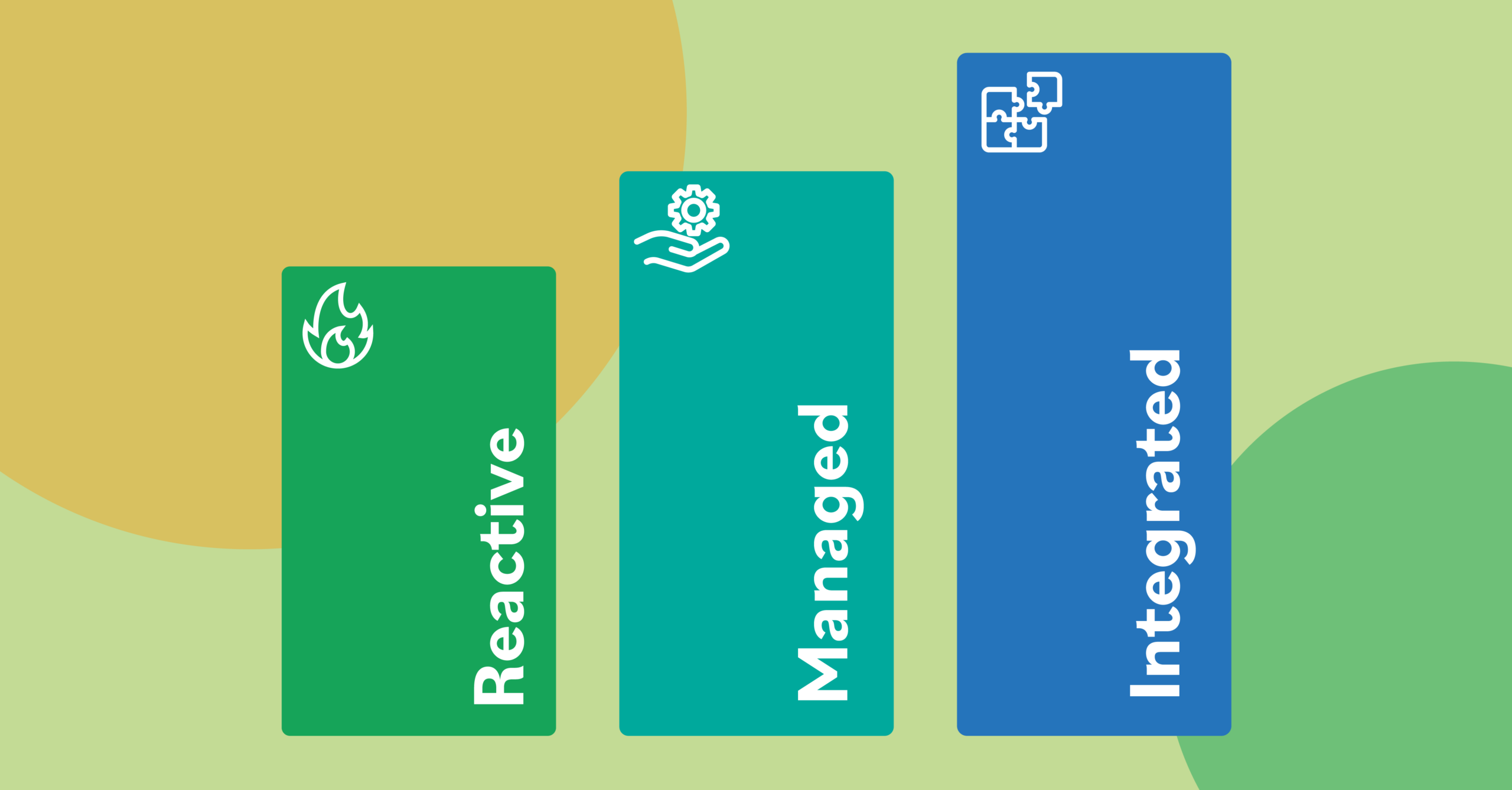
They connect signals across systems, identify early indicators of risk, and provide the context needed for informed decision-making. In many cases, they are the individuals enabling organizations to move from reactive safety management toward a more proactive and predictive posture.
This shift reflects a broader change in how safety is managed.
Modern SMS environments are no longer static repositories of information; they are dynamic systems designed to surface patterns, monitor performance, and support continuous improvement. But technology alone cannot deliver this outcome. Even the most sophisticated platforms depend on the ability of people to interpret what the data is actually saying.
Related article: Airlines Have More Safety Data Than Ever. Why Aren’t They Learning Faster?
What the analyst needs to succeed
The digital environment
The effectiveness of the SMS analyst, however, is not solely a function of skill; it is shaped by the digital environment around them. The SMS analyst’s effectiveness depends on two things:
- Integrated systems: Brings together data that was once fragmented across departments and processes. Without integration, even the most capable analyst is limited to partial insights.
- Data quality: Inconsistent or poorly structured data undermines analysis and erodes confidence in the outputs. Reliable insight depends on data that is accurate, standardized, and accessible.
A new generation redefining expectations
At the same time, a generational shift within the aviation workforce is accelerating this transformation. A new cohort of professionals, digital natives, are entering safety and operational roles with fundamentally different expectations.
They are comfortable working with data, expect intuitive digital tools, and are accustomed to accessing information in real time. For them, manual processes and fragmented systems are not just inefficient; they are misaligned with how modern organizations should operate.
These individuals are, in many cases, driving organizational change from within. They are pushing for more integrated systems, better analytics, and more immediate access to actionable insight. In doing so, they are redefining what effective SMS looks like.
The role of the SMS analyst, particularly among this generation, is becoming more analytical, more strategic, and more central to the organization’s ability to manage safety.
The next era will be predictive, intelligence-driven safety
Looking ahead, this evolution is pointing toward a new frontier: predictive safety management.
Advances in analytics and emerging artificial intelligence capabilities are enabling organizations to analyze complex datasets at scale, detect patterns earlier, and anticipate risks before they materialize.
But as these capabilities mature, the importance of the SMS analyst does not diminish. It increases.
Technology can surface patterns, but it cannot fully interpret operational context. It cannot assess nuance, apply judgment, or determine how insights should translate into action. The SMS analyst remains the critical link between data and decision-making, validating signals, contextualizing insights, and guiding the organization’s response.
Move from fragmented reporting to integrated processes
This is also where Arcadis can help organizations turn the concept of a modern SMS into an executable roadmap. By aligning data strategy, process design, governance, and technology implementation, Arcadis helps safety teams move from fragmented reporting and manual workflows to integrated SMS processes supported by fit-for-purpose software.
For the SMS analyst, that means a more connected journey: clearer data inputs, standardized workflows, stronger analytics, and better tools to convert signals into action. The result is not just a new system, but a more mature safety management capability that enables analysts, leaders, and frontline teams to work from the same trusted view of risk.
The rise of the SMS analyst reflects a deeper shift in aviation safety. Organizations are moving away from viewing safety as a reactive function and toward treating it as an intelligence-driven discipline. Success will depend on the ability to combine strong digital foundations with the human capability to interpret and act on information.
In the end, the organizations that lead in this next era of aviation safety will not be those with the most advanced systems alone. They will be the ones that empower their people, particularly their analysts, to turn data into meaningful, timely insight.
Because in modern SMS, the difference between data and safety is no longer technology.
It is understanding.
Equally important is what happens after a risk is identified
Modern SMS programs require more than visibility into trends; they need structured mechanisms to investigate events, understand underlying causes, and drive corrective action. This is where COMET’s root cause analysis (RCA) and investigation capabilities become a critical extension of the SMS analyst’s role.
By providing standardized investigation workflows, causal analysis methodologies, and integrated corrective action management, COMET helps organizations move beyond reporting incidents to understanding why they occurred and how similar events can be prevented in the future.
For SMS analysts, this creates a seamless connection between signal detection, risk analysis, investigation, and organizational learning, transforming safety data into measurable operational improvement.
Advance your SMS maturity
As aviation organizations advance their SMS maturity, Intelex, COMET, and Arcadis provide a powerful platform to manage safety data, workflows, and performance. Arcadis also offers implementation services, process expertise, and change management support to make the platform work in practice.
Together, Intelex, COMET, and Arcadis help safety teams build the digital foundation, integrated processes, and analyst-ready insights needed for the next era of aviation safety.
To find out more about the combined Intelex, Arcadis, and COMET airline SMS offering, download the one-pager here.