
How to Make the Case for Switching to More User-Friendly Safety Software
October 29, 2026
10 minute read

Imagine this: You discover a better safety software that addresses the problems your team faces every day. Your team agrees it would automate tasks, simplifying their work. But, there are ten other priorities competing for your boss’ attention and your company’s budget.
You’ll need more than enthusiasm to convince your boss to switch to more user-friendly safety software. You’ll need a structured business case that speaks to leadership priorities: measurable ROI.
Why bosses turn down safety software proposals
Leaders turn down budget proposals for three main reasons, according to Intelex CFO Avi Kamboj.
- There’s no number attached: If a proposal can’t put any dollar figure on the benefit, you’ve lost the leader pretty quick.
- There’s no clear problem it solves: A proposal should clearly explain what problem you’re solving and how that will improve company performance.
- There’s a better investment: When budgets are tight, every request competes on the same terms. A production line with a faster payback will win over software that can’t show its return.
Your goal is to show that switching will actually lower measurable risk. The rest of this guide walks through how to close each of these gaps: preparing before you pitch, building the numbers, making leaders feel the problem, de-risking the switch, and delivering the pitch itself.
Prepare before you pitch
Define your goals before booking a single vendor demo. Write three to five specific outcomes you need the new platform to deliver: i.e., root cause analysis, real-time SIF risk scoring, or multi-site compliance tracking. These goals become your problem statement, which answers the second reason leaders say no.
Next, build your team by recruiting allies from key departments:
- Operations ally: validates the daily pain and workflow gaps
- Finance ally: validates the cost savings and ROI projections
- Leadership champion: advocates for the budget and executive approval
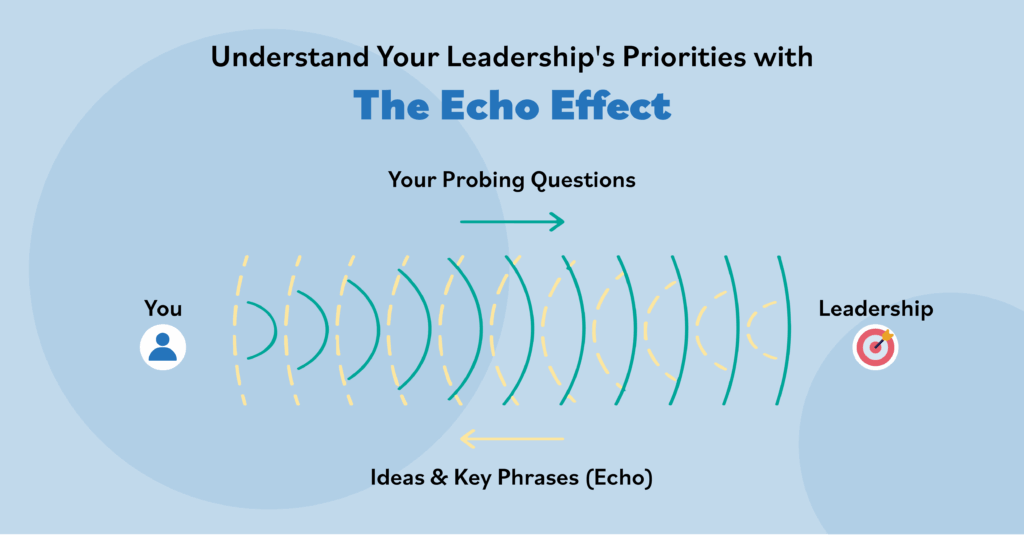
Finally, learn your audience’s language. In her post about building executive buy-in for EHSQ software, Samantha Kitchens explains the Echo Effect where by you ask questions and listen for key ideas and phrases you can ‘echo’ during your presentation to further drive leadership buy-in.
Build the numbers
CFOs want to see numbers. This is the part of your case that answers “there’s no number attached,” and it should be built in four layers.
1. Quantify the cost of your current process. Put a dollar value on manual work, administrative time and other inefficiencies. For example, calculate hours lost weekly to manual incident reporting, paper inspections, or missed compliance deadlines.
2. Calculate the cost of inaction. Total your regulatory fines, insurance and compensation claims, and the cost of lost workdays. Compare that total to the investment in new software.
3. Calculate the ROI of preventing incidents. Estimate the value of reducing one recordable incident per quarter. Include direct costs (medical, legal, regulatory fines) and indirect costs (retraining, lost productivity, delays).
4. Put your numbers in context. Compare your injury and lost-time rates to published figures for your industry and region to show leadership where you stand. Then back that up with your own historical data, which EHS practitioner Scott Gaddis says makes a stronger case than peer comparisons alone. Show trends where you can: consistent changes over time tell a stronger story than a single data point.
To see where your current data supports this conversation and where it falls short, use the Are You Finance Ready? checklist.
Once you have the figures, map each one to a metric your audience already tracks, such as incident rate, lost workdays, or legal costs. These are your tangible benefits:
- Reduced fines through automated compliance documentation
- Lower workers’ compensation premiums from fewer recordable incidents
- Saved administrative hours on incident reporting and inspections
Make leaders feel the problem
Numbers alone rarely get a switch approved. COOs and HR leaders care about the impact on people and processes, and every leader feels some anxiety about changing platforms.
In their book Switch, Chip and Dan Heath use psychologist Jonathan Haidt’s idea of the Rider (the rational mind) and the Elephant (the emotional mind).
The data you’ve compiled speaks to the Rider, but the Elephant needs something else. When leaders consider switching platforms, their Elephant often feels anxious and resists, no matter what the data shows.
To motivate the Elephant, help your boss feel the problem:
- Tell a real story. Instead of just saying, “We had 12 near-miss reports filed late last quarter,” share a story about one incident where a late report almost led to something worse.
- Bring in the front line. Ask frontline workers about their frustrations with current tools. Have members of your EHS team explain the process for completing what should be a simple task.
- Name the intangible benefits. These are felt and cultural: improved employee morale from simplified timesheet compliance and reporting, a stronger safety culture that attracts top talent, and faster adoption of proactive risk identification across worksites. Learn how to present these in How to Show Finance the Value of EHS Tech Using Soft ROI.
De-risk the switch
Even a strong case can stall on one question: what happens to operations while we change systems? Answer it before leadership asks, because a credible rollout plan is what makes your payback believable next to competing investments.
- Address downtime directly. Explain how your current system stays in place until the new one is ready, so incident reporting and compliance tracking never stop.
- Plan a phased rollout. Start with one site, team, or workflow, prove the results, then expand. Lay out a timeline with clear milestones for each phase.
- Budget for training. Show how long onboarding will take for each user group, and how a more user-friendly tool shortens that time. For more, see How to Build User Adoption into Your EHS Software Rollout.
- Define success metrics up front. Choose metrics leadership can track after launch, such as reporting time, overdue actions, or incident rates, so the investment can be measured against your projections.
Deliver the pitch
Hard numbers and emotional anecdotes give you an upper hand, but busy executives still need a succinct, well-ordered case. Scott Gaddis, an EHS practitioner who has sat in dozens of boardrooms showing the value of EHS, sums up the order: lead with risk, close with numbers. (His interview became the basis for one of our most popular articles, ‘The EHS-to-Finance Translator.’)
In practice, that means structuring your pitch in four moves:
- Lead with risk, close with numbers. Frame the exposure first, then give finance something concrete to evaluate.
- Use benchmarks, but make them relevant. Peer comparisons help, but your own historical data will make a stronger case.
- Quantify the cost of the current process. Put a dollar value on manual work, administrative time and other inefficiencies.
- Show trends. Consistent changes over time tells a stronger story than a single data point.
Example: How to open your business case
Here’s how Avi frames that one-sentence return, and why it matters:
“You invest 100K into my platform, I can save you X dollars and Y potential risk. This is backed by A, B, and C. You open up with that, you’ll catch a lot of people’s attention right away. If you open up with, hey, we found this platform, it’d be nice to have, then that conversation will only go one way.”
Remember to keep it short.
Use the 10-20-30 rule for your presentation: Apple evangelist, Guy Kawasaki, said a presentation should have 10 slides, last no more than 20 minutes, and contain no font smaller than 30 points.
Checklist: Core elements of an effective safety software proposal
Frequently asked questions
How do I present a compelling case to convince my boss to switch safety software?
Start by defining three to five specific outcomes you need from a new platform and documenting where your current system falls short. Quantify the gap in dollars: fines paid, hours lost to manual processes, or the cost of lost workdays. When you present, open with your most urgent reason to act, told as a real story from the field, then state the expected return in one sentence and back it up with numbers. Close with a phased rollout plan and the metrics leadership will track.
What is a strong “convince boss to switch safety software example”?
A strong example connects a real risk to a clear cost comparison. For instance, a company tracking safety inspections on paper spreadsheets that missed a documentation deadline during an audit could face significant fines. Switching to an integrated EHS platform that automates inspection scheduling and stores records digitally would prevent such penalties. When the annual software cost is less than a single potential fine, that comparison becomes your strongest example. Open with it the way Intelex CFO Avi Kamboj recommends: state the investment, the savings, and the evidence behind them.
What should I include in my business case for new safety software?
Include a clear problem statement, goals tied to company-wide priorities, and a cost-benefit summary with hard numbers. Add a shortlist of solutions and why they fit, a phased implementation plan with specific milestones, and success metrics leadership can track after launch. Pair the numbers with frontline stories so your case speaks to finance and operations alike.
How can I address concerns about switching risks like downtime and training?
Show that your current system stays in place until the new one is ready, so incident reporting and compliance tracking never stop. Propose a phased rollout that starts with one site, team, or workflow before expanding. Include a training plan for each user group and define success metrics up front, so leadership can see the risk is managed and the results are measurable.
Taking action on safety software change
Winning approval comes down to preparation. You now have a framework to quantify operational risk, connect it to the metrics leadership tracks, address the emotional resistance that blocks organizational change, and show a rollout plan that keeps risk low.
The next step is yours. Gather your incident data, recruit your internal allies, and build your business case using the checklist above and our Convince Your Boss to Invest in EHS Management Software blueprint.
If you want to convince your boss to switch safety software, start the conversation this week. Frame the discussion as a shared problem with a clear solution, and you will move from a request to an approved initiative.